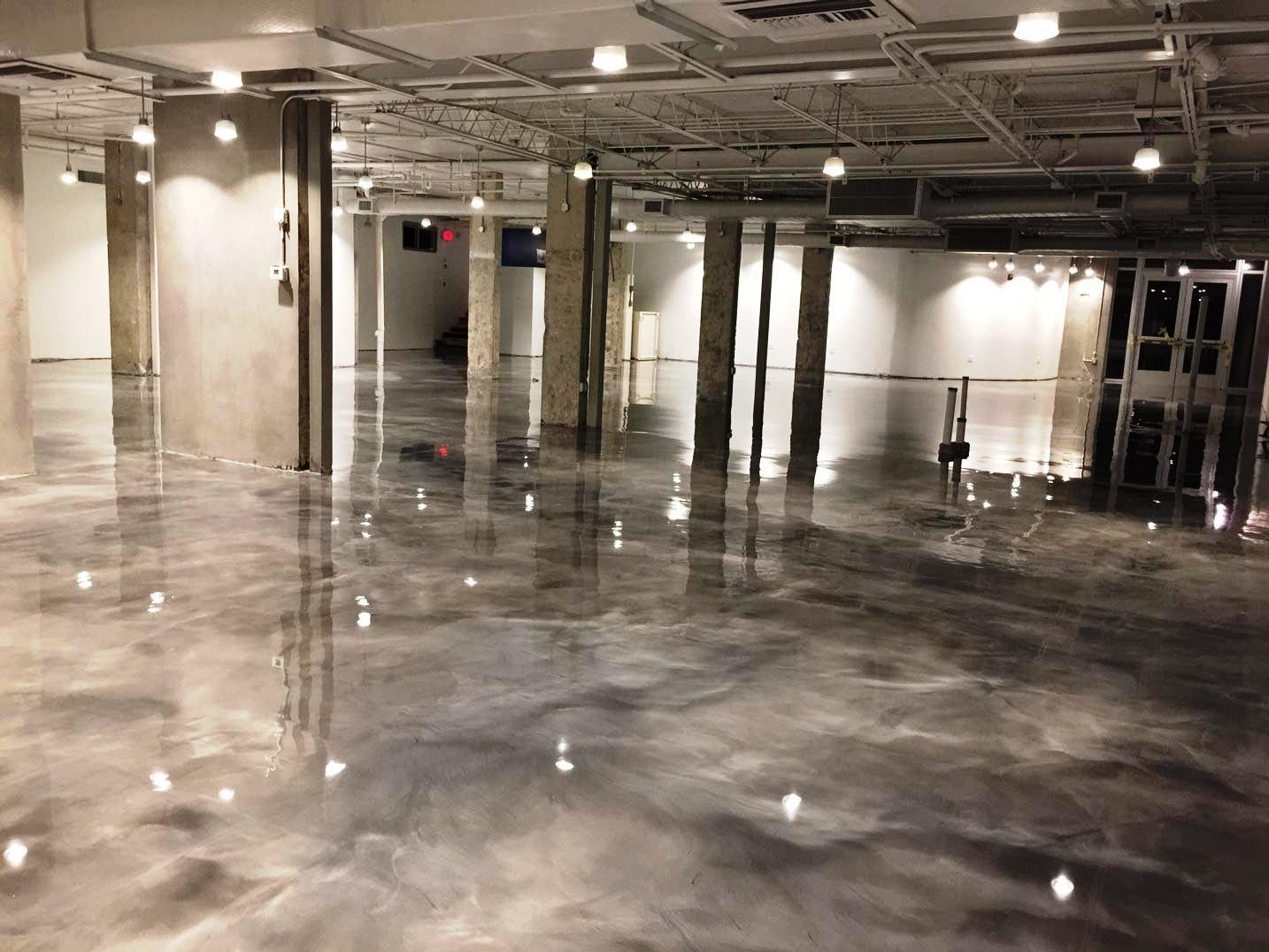
Commercial environments are continuously changing to meet the requirements of companies and their customers. One of the most efficient ways to upgrade these environments is through the use of epoxy flooring solutions. Epoxy floors have become well-known for their durability, adaptability, and visual attractiveness, making them an outstanding choice for diverse environments, from showrooms to storage facilities.
These flooring options not just provide a professional look but also deliver a degree of resilience that can support heavy foot traffic and wear from equipment. Whether it's a epoxy coating for garages that needs to resist petroleum spills or epoxy for basement floors that can handle moisture, the benefits of integrating epoxy into commercial spaces are undeniable. As we explore the advantages and options of epoxy flooring, it's clear that this solution is transforming the way we consider and create our work environments.
Benefits of Epoxy Floors
Resin floors offers a remarkable mix of strength and aesthetic appeal, making it an excellent choice for business environments. One of the key advantages is its ability to heavy foot traffic and deterioration. Unlike conventional flooring options, epoxy floors can endure the impact of heavy equipment, equipment, and intensive activity without exhibiting signs of damage. This makes them especially ideal for warehouses, retail environments, and manufacturing locations.
Another prominent advantage of resin floors is its resistance to spills and discoloration. This is particularly beneficial in environments where chemicals or liquids are commonly used, such as garages or mechanic spaces. The seamless finish of resin floors prevents fluids from infiltrating through, allowing for easy cleanup and upkeep. Business owners can maintain a clean and professional look in their environments, reducing the risk of accidents and enhancing security.
Aesthetic versatility is also a strong selling point for epoxy floors. Available in a wide range of colors and designs, resin flooring can be customized to match the identity and design of any business. From vibrant colors to shiny finishes, the choices are virtually endless. This allows commercial environments to create an appealing and unique atmosphere that can captivate clients and patrons alike.
Types of Epoxy Floors
Several varieties of epoxy floors engineered to meet various needs and aesthetic desires throughout commercial spaces. This Site of the most widely frequently used types is the self-leveling epoxy, which is perfect for hiding imperfections in the substrate. This type of flooring produces a smooth, durable surface that can endure heavy foot traffic and is easy to maintain. It is particularly suited for showrooms and retail spaces in which a pristine appearance is crucial.
Another popular option is the epoxy flake flooring, which incorporates decorative flakes into the resin to achieve a unique look. Such type of flooring not only that enhances visual appeal but also provides added texture, improving slip resistance. It is an excellent choice for garages and industrial settings in which both functionality and style are valued. The customization options for color and flake size enable business owners to align their brand identity or interior design preferences perfectly.
For spaces that face extreme conditions, such as warehouses or manufacturing facilities, chemical-resistant epoxy flooring is essential. This variant type is designed to resist harsh chemicals and spills without jeopardizing the floor's quality. It provides a robust solution that improves safety and durability, ensuring that businesses can operate efficiently without worrying about floor damage. Choosing the right type of epoxy flooring greatly contributes to a well-functioning commercial environment.
Installation Process
This installation of the epoxy flooring system is a straightforward yet meticulous process that demands proper preparation and methodology. Initially, the current surface of the floor needs to be thoroughly cleaned and assessed. Any dirt, oil, or pollutants must be cleared to ensure adequate bonding. For cement floors, this may involve grinding or shot blasting the surface to create a profile that allows the epoxy to bond properly.
After the surface is ready, the following step is to address all cracks or flaws. This typically involves sealing voids and gaps with a suitable filler to create a level and even base. After this, a base coat is usually applied to enhance bonding, which sets the stage for the application of the epoxy layer. The base coat also helps to protect the surface and can improve the durability of the flooring system.
Finally, the resin blend is applied. This can be performed using a roller or a rubber squeegee, ensuring an uniform distribution across the whole area. Depending on the exact type of epoxy flooring, several coats may be necessary, each needing sufficient curing time before the next layer is added. Once the final coat is cured, the floor achieves a strong, glossy finish that is both visually appealing and extremely functional for business environments.
Maintenance Tips
Maintaining epoxy flooring is important to guarantee its longevity and shiny appearance. Frequent cleaning is the first step in keeping your epoxy floors in pristine shape. Clean the surface frequently to remove grime and particles that can scratch or dull the finish. For more thorough cleaning, use a mild detergent mixed with warm water to mop the floor. Avoid strong chemicals that can damage the epoxy coating.
In commercial spaces, it's important to address spills or stains right away. Epoxy flooring is resistant to many substances, but allowing spills to remain can lead to discoloration over time. Just wipe up spills with a gentle cloth or wet mop. For stubborn stains, a combination of baking soda and water can assist lift the mark without scratching the surface. Regular inspections for any signs of wear or damage will also help you catch minor issues before they turn into significant problems.
Moreover, applying a periodic topcoat can improve the durability and luster of your epoxy flooring. Depending on foot traffic levels and usage, consider reapplying a protective layer every couple of years. This extra maintenance step will not only refresh the appearance but also prolong the life of your garage floor epoxy or basement epoxy flooring, keeping your commercial space looking its most appealing.
Expense Factors
When analyzing the expenditure in epoxy flooring, it is important to consider the complete costs associated with installation and maintenance. Epoxy flooring can vary in cost based on criteria such as the type of epoxy chosen, the dimension of the area to be covered, and any surface treatment required before application. While initial costs may appear higher than traditional flooring choices, epoxy offers lasting durability and minimal maintenance, which can lead to cost savings over the long run.
For business spaces, the scope of the job plays a key role in determining expenses. Larger areas may take advantage of bulk pricing, reducing the cost per square foot. Additionally, special features like decorative flakes or shade variations can impact pricing. Garage floor epoxy often has different pricing structures than basement epoxy flooring, as each serves distinct purposes and requires varied techniques during installation.
Finally, it's essential to account for ongoing costs. While epoxy floors are resistant to marks and easy to clean, any harm that occurs may require repairs. However, due to their durability, needing major repairs is infrequent. Ultimately, understanding the upfront costs and potential savings related to epoxy flooring will aid in making an informed decision for your business space.