

If you're seeking to elevate the look and practicality of your house or establishment, epoxy floor solutions is perhaps the best solution. Achieving popularity among property owners and businesses in the Omaha area, this type of flooring offers durability, low maintenance, and a sleek design. With a diverse selection of options provided, such as garage floor epoxy and residential epoxy flooring, there is a style to fit any area, whether you're remodeling your carport or upgrading your restaurant kitchen.
In this guide will walk you through everything you need to know about the benefits of epoxy flooring in the Omaha area. From comprehending the advantages of an easy to clean garage surface to discovering the lifespan of epoxy flooring, we will cover it all. We will also examine the specifics of the installation methods, providing you with insights on what to expect when you request an installation quote for epoxy flooring. Whether you're thinking about a basement epoxy flooring or a stylish metallic epoxy flooring for your garage, you'll find the information you need to choose wisely and experience the positive impact of epoxy floor solutions.
Understanding Epoxy Surface Solutions
Epoxy floor covering is a durable and flexible flooring option that has achieved popularity in both domestic and industrial settings. It is formed by mixing epoxy resin and curing agent, which react to form a sturdy surface. This type of flooring is recognized for its strength, making it perfect for busy areas such as garages, storage facilities, and food preparation areas. Epoxy floor coatings offer a smooth finish that merely boosts the aesthetics but also offers numerous functional benefits.
One of the key advantages of epoxy flooring is its resistance to harsh substances, blemishes, and humidity. This makes it an superb choice for settings that may experience spills or interaction to strong detergents. For instance, epoxy coatings for garages can withstand oil and grease stains, keeping the floor appearing clean and simple to maintain. Additionally, its moisture-proof properties help prevent harm from liquids and moist conditions, which can be a worry for lower level epoxy floors and restroom epoxy applications.
In addition, epoxy flooring can be personalized to suit various design preferences and operational needs. Choices like metallic epoxy garage floors can add a distinctive touch to your space, while non-slip floor coatings increase safety in areas prone to spills. Whether you're considering a garage floor makeover or searching for industrial epoxy options, grasping the merits and characteristics of epoxy flooring will help you make an informed choice for your individual requirements.
Benefits of Resin Flooring
Resin flooring offers a range of benefits that make it an attractive choice for residential properties and businesses alike. Epoxy flooring Omaha, of the most significant advantages is its durability. Resin floor coatings are designed to endure high traffic, impacts, and abrasions, making them ideal for high-use areas like workshops and business locations. This resilience ensures that your flooring can handle the rigors of daily use without exhibiting wear and tear quickly, providing long-term value.
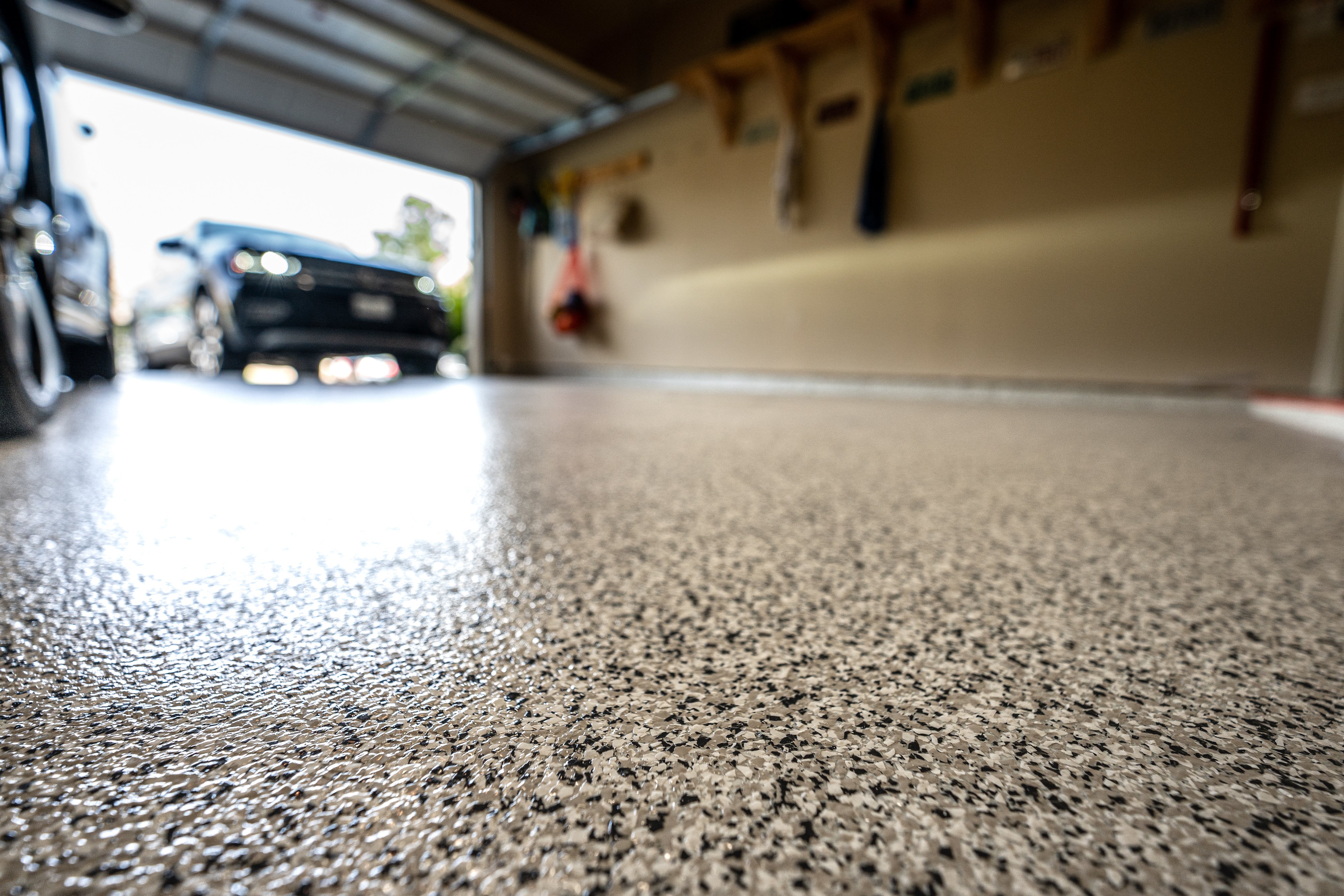
Another important advantage of epoxy flooring is its easy maintenance. The smooth surface of resin is resistant to stains and spills, making it simple to clean. Residents can wipe away dirt and spills effortlessly, ensuring that their spaces remain clean and hygienic. Additionally, resin flooring can be designed to be slip-resistant, enhancing safety in areas prone to moisture, such as garages or storage spaces.
Visually, resin flooring is highly customizable, allowing for a wide variety of designs and finishes. From metallic and 3D options to various colors and textures, it can enhance the visual appeal of any space. This versatility makes resin flooring suitable for a variety of environments, from industrial warehouses to luxurious residential interiors. By choosing epoxy, you not only improve functionality but also enhance the overall look of your home or establishment.
Setup Process
The installation procedure for epoxy flooring in the Midwest starts with careful prepping of the surface. Whether it's a garage floor, the area needs to be clear of dirt, oil, and wetness. Any previous layers or paints should be removed, and the surface may require scraping to create a rough texture allowing the epoxy to bond properly. This step is essential for achieving a durable finish.
Once the surface is prepared, the next phase is combining the epoxy resin with the hardener. This mixture must be done precisely to ensure a consistent consistency and ideal curing. After blending, the epoxy is applied onto the floor in sections, starting from a edge and moving toward the outlet. Using a roller, the installer spreads the epoxy smoothly, ensuring full coverage. This step can also include the application of aesthetic elements such as colored flakes or metallic elements for extra aesthetics.
After the epoxy has been spread, it requires ample time to cure, which can change depending on the material and atmospheric conditions. Generally, epoxy flooring takes about 24 hours to set and can be used after that time. However, full curing may take several days, during which heavy objects should be avoided. Once cured, residents can enjoy an simple to maintain garage floor that is not only visually pleasing but also durable against stains and slipping, making it perfect for various applications.
Care and Durability
Resin flooring in Nebraska is renowned for its remarkable resilience, making it an ideal choice for residential as well as commercial spaces. This type of flooring is resistant to damage, toxins, and humidity, which significantly prolongs its lifespan. When properly applied and maintained, an epoxy floor can last between ten to twenty years. This durable nature makes it a smart investment for any overhaul of a garage floor, coating of an auto shop floor, or even restaurant kitchen flooring.
To maintain your epoxy floors, routine cleaning is essential. Regular sweeping and washing with a mild cleanser will keep the finish looking spotless. Additionally, refrain from using harsh cleaners that could scratch the finish. For commercial epoxy flooring use, it is beneficial to arrange professional cleanings from time to time to preserve the floor's slip-resistant features and overall look. Ensuring that leaks are quickly cleaned can help prolong the life of your coating that resists water.
Furthermore, if any damage occurs, such as marks or dents, small fixes can be easily addressed. Epoxy flooring allows for smooth repairs, which helps maintain its cohesive appearance without the need for complete replacement. For those looking into an epoxy floor installation quote, the associated care expenses are generally lower than other types of flooring, making it not only a durable choice but an cost-effective one as well.
Comparing Epoxy Resin and Polyurea Flooring
When considering flooring choices for your residence or business, the two epoxy resin and polyurea coatings are prominent as favored options. Epoxy coating is famous for its durability and versatility, which makes it suitable for various uses, including home garages, commercial spaces, and factories. It generally requires a longer curing time, which can result in extended timeframes. Conversely, polyurea cures much more quickly, allowing for speedier setups and little interruption, an important factor for companies that must to continue operations.
One notable difference between the two is their resistance to chemicals and durability. Concrete floor resurfacing, delivers superior resistance to harsh chemicals and severe temperatures in comparison with epoxy. This trait renders it an ideal option for environments like kitchen areas in restaurants or garage floors where liquids and high temperatures are common. On the contrary, epoxy resin is still strong for many scenarios but may not function as efficiently under the most demanding environments, especially if maintenance is lacking.
Pricing can also be a key element when evaluating these two types of flooring. Epoxy flooring is often more affordable at the start, making it an appealing option for residents looking to undertake a garage floor makeover or invest in basement epoxy floors. Polyurea, while typically more expensive, can offer savings money in the long run due to its extended durability and lessened need for repairs or recoating. Ultimately, the choice between epoxy and polyurea flooring will depend on your specific needs, financial plan, and the specific features of the space you are renovating.